
11 Myths About Student Loan Forgiveness

If you have more student loan debt than you can handle, or if you’ve been paying and paying (and paying) and can’t make headway, chances are you’ve wondered about student loan forgiveness. As you look into your options, keep in mind that everything you read (or hear — even from your student loan servicer) may not be accurate. We asked experts who work with borrowers all the time to share the most common myths they hear about student loan forgiveness. Here are their top picks.

Myth: You have to pay someone to get loan forgiveness help.

“There are lots of online scams that charge borrowers for things that are available for free from the government. The truth is you don’t have to pay anyone,” says Pauline Abernathy, vice president The Institute for College Access and Success. Borrowers can use the free tools offered by the Department of Education — starting with the National Student Loan Data System. If more help is needed, they may want to seek advice from a reputable counseling agency or consumer protection attorney who is well-versed in student loan law.

Myth: Student loans can’t be wiped out in bankruptcy.

“The bankruptcy laws require you to show that being held responsible for the student loans will amount to what’s called an ‘undue hardship.’ Though this standard can be difficult to meet, it’s not impossible,” says Jay S. Fleischman, a lawyer who concentrates in the fields of student loan resolution and consumer bankruptcy. He goes on to explain that if you attempt to discharge your student loans in bankruptcy, you’ll have the advantage of dealing with an attorney, rather than a debt collector. “Those attorneys often have the ability to resolve payment disputes more readily than non-lawyer collectors,” he says. “Many people who seek a discharge of their student loans in bankruptcy end up settling on a reduced balance or affordable payment plan, which may accomplish your goal of bringing the payments in line with your financial abilities.”

Myth: Only Corinthian students get relief from debts involving school fraud.

Students may be eligible for cancellation of federal loans from schools that committed fraud or broke state laws. It’s called a “defense to repayment,” and the Department of Education is working on a process to make it easier for borrowers who attended other schools to apply for this relief. More information is available from the Department of Education. “The Education Department is developing a comprehensive system to assist students defrauded by any school and to hold schools accountable for their actions that result in loan discharges,” said Abernathy. Borrowers who have been victims of fraud by their schools may also want to look into state tuition recovery funds. StudentLoanBorrowerAssistance.org maintains a list of state tuition recovery funds.

Myth: Forgiveness applies only to federal loans.

While it’s true that private loan forgiveness programs are few and far between, some borrowers are able to settle private student loans for less than the full balance says Steve Rhode, founder of GetOutofDebt.org and a Credit.com contributor. “Settlement offers I’ve seen have been in the 45% to 50% range with up to two years to pay,” he says on his site.

Myth: Only consolidated loans can take advantage of public service loan forgiveness (PSLF).

Not true, says Joshua Cohen, aka The Student Loan Lawyer. “As long as all of your loans are Direct Loans, they qualify.”

Myth: Payments don’t count for PSLF until an employer certification form is completed.

Or until it is transferred to FedLoan (a student loan servicer), or until you’ve enrolled in the program etc. … “Where is this stuff coming from?!” Cohen asks. The employment certification form is encouraged, but not required. And the reality is that qualifying payments made on Direct Loans while working for a qualifying employer made after Oct. 1, 2007, currently count toward the 120 payments required under this program.

Myth: If you are a teacher, you automatically qualify for PSLF.

“There are specific requirements and if you work for a for-profit school you may be out of luck,” says Rhode. (Here’s more information on teacher loan forgiveness.) Similarly, those working in other professions that may be eligible but can run into some hurdles when trying to qualify. Nevertheless, is important for borrowers who are hoping to take advantage of PSLF to understand the requirements of the programs for which they may be eligible, so they don’t wind up missing out on an important benefit.

Myth: Student loan forgiveness is for everyone.

“In reality, it really only provides relief to those with very large debts and/or low incomes,” says Andrew Josuweit, founder of StudentLoanHero.com where this issue is explored in detail.

It makes sense that borrowers who are able to afford their payments aren’t going to be able to take advantage of the most popular forgiveness options, many of which require a certain number of payments under an income-driven plan. A recent report from Equifax found that the income group most at risk of defaulting on their student loans were those earning less than $ 30,000. “This rings true across all age groups, with those earning less than $ 30,000 suffering from triple or even quadruple the delinquency rates of their higher-earning peers within the same age group,” say the authors of the report, Dann Adams and Naser Hamdi.

But even high earners may run into a situation where they lose their income, and for anyone who isn’t working, even small debts can become unaffordable. Additionally, there are programs for lawyers, doctors, nurses and other higher-earning professionals, too. No one should automatically assume they aren’t eligible. (And don’t always rely on servicers to provide correct information. Sometimes they don’t.)

Myth: Parents are out of luck.

While it’s true parents with Parent PLUS loans aren’t eligible for Income-Based Repayment (IBR), they may be eligible for Income-Contingent Repayment (ICR), and that’s a “qualifying payment plan for PSLF,” Cohen points out.

Myth: Miss a payment or change jobs, and you start over.

If you miss a payment under one of these programs, “you just delayed it by a month for the missed payment, but you don’t start over,” says Cohen. However, if you were making payments under IBR and then consolidated you “ended the old loan and created a new loan. You start from Day One,” he notes.

Myth: I don’t have to worry about taxes on forgiven loan. (Or the reverse: Canceled student loans mean a tax bill.)

The truth is, it depends. Certain types of student loans canceled under PSLF are not taxable, but student loan debt discharged due to Total and Permanent Disability may be, unless you qualify for an exclusion. And currently, balances forgiven after completing an income-driven repayment plan are not tax-exempt. We’ve heard from borrowers who were shocked to learn that they owed large tax bill after they became disabled and were able to get their remaining balances canceled. Others were relieved to discover they qualified for the insolvency exclusion and wouldn’t have a tax bill to worry about. (Here’s a primer on taxes after student loan cancellation.)

Student loans can trap borrowers in debt for decades, and can make it difficult to buy a home or a car. If a student falls behind on payments, those late payments can ruin their credit scores for years to come. Even if loans are paid on time, debt can affect your credit scores. The programs today aren’t perfect and they can’t help everyone, but they can provide immediate relief for some. So borrowers will want to make sure they fully explore all their options for student loan repayment and forgiveness programs in order to take advantage of the programs available to them. It’s also wise to review your credit reports and scores (you can check two of your credit scores for free on Credit.com) to find out how your loans affect them.

Related Articles

This article originally appeared on Credit.com.

This article by Gerri Detweiler was distributed by the Personal Finance Syndication Network.

Personal Finance Syndication Network
Category: Best Low Fee Prepaid Cards

Millions of people are turning to prepaid debit cards as a smart alternative to carrying cash and writing checks. Almost anyone can qualify and they don’t require a credit check or a bank account.

Though they carry credit card logos and can be used anywhere a credit card is used, unlike a credit card, they do not offer a line of credit. The user can only spend the amount that has been loaded onto the card or placed into the account associated with the card.

There are dozens of debit cards on the market, many of them issued by the same bank, but fee structures are vastly different. Bestprepaiddebitcards.com has done all the research for you and provides comprehensive reviews to help you decide which card is best for you.


GO2bank Offers Overdraft Protection up to $300.

And build your credit with the GO2bank Secured Visa® Credit Card with no annual fee*, no credit check*, and no impact to your credit when you apply. (sponsor link)


  • 11 Myths About Student Loan Forgiveness

    11 Myths About Student Loan Forgiveness

    If you have more student loan debt than you can handle, or if you’ve been paying and paying (and paying) and can’t make headway, chances are you’ve wondered about student loan forgiveness. As you look into your options, keep in mind that everything you read (or hear — even from your student loan servicer) may not be accurate. We asked experts who work with borrowers all the time to share the most common myths they hear about student loan forgiveness. Here are their top picks.

    Myth: You have to pay someone to get loan forgiveness help.

    “There are lots of online scams that charge borrowers for things that are available for free from the government. The truth is you don’t have to pay anyone,” says Pauline Abernathy, vice president The Institute for College Access and Success. Borrowers can use the free tools offered by the Department of Education — starting with the National Student Loan Data System. If more help is needed, they may want to seek advice from a reputable counseling agency or consumer protection attorney who is well-versed in student loan law.

    Myth: Student loans can’t be wiped out in bankruptcy.

    “The bankruptcy laws require you to show that being held responsible for the student loans will amount to what’s called an ‘undue hardship.’ Though this standard can be difficult to meet, it’s not impossible,” says Jay S. Fleischman, a lawyer who concentrates in the fields of student loan resolution and consumer bankruptcy. He goes on to explain that if you attempt to discharge your student loans in bankruptcy, you’ll have the advantage of dealing with an attorney, rather than a debt collector. “Those attorneys often have the ability to resolve payment disputes more readily than non-lawyer collectors,” he says. “Many people who seek a discharge of their student loans in bankruptcy end up settling on a reduced balance or affordable payment plan, which may accomplish your goal of bringing the payments in line with your financial abilities.”

    Myth: Only Corinthian students get relief from debts involving school fraud.

    Students may be eligible for cancellation of federal loans from schools that committed fraud or broke state laws. It’s called a “defense to repayment,” and the Department of Education is working on a process to make it easier for borrowers who attended other schools to apply for this relief. More information is available from the Department of Education. “The Education Department is developing a comprehensive system to assist students defrauded by any school and to hold schools accountable for their actions that result in loan discharges,” said Abernathy. Borrowers who have been victims of fraud by their schools may also want to look into state tuition recovery funds. StudentLoanBorrowerAssistance.org maintains a list of state tuition recovery funds.

    Myth: Forgiveness applies only to federal loans.

    While it’s true that private loan forgiveness programs are few and far between, some borrowers are able to settle private student loans for less than the full balance says Steve Rhode, founder of GetOutofDebt.org and a Credit.com contributor. “Settlement offers I’ve seen have been in the 45% to 50% range with up to two years to pay,” he says on his site.

    Myth: Only consolidated loans can take advantage of public service loan forgiveness (PSLF).

    Not true, says Joshua Cohen, aka The Student Loan Lawyer. “As long as all of your loans are Direct Loans, they qualify.”

    Myth: Payments don’t count for PSLF until an employer certification form is completed.

    Or until it is transferred to FedLoan (a student loan servicer), or until you’ve enrolled in the program etc. … “Where is this stuff coming from?!” Cohen asks. The employment certification form is encouraged, but not required. And the reality is that qualifying payments made on Direct Loans while working for a qualifying employer made after Oct. 1, 2007, currently count toward the 120 payments required under this program.

    Myth: If you are a teacher, you automatically qualify for PSLF.

    “There are specific requirements and if you work for a for-profit school you may be out of luck,” says Rhode. (Here’s more information on teacher loan forgiveness.) Similarly, those working in other professions that may be eligible but can run into some hurdles when trying to qualify. Nevertheless, is important for borrowers who are hoping to take advantage of PSLF to understand the requirements of the programs for which they may be eligible, so they don’t wind up missing out on an important benefit.

    Myth: Student loan forgiveness is for everyone.

    “In reality, it really only provides relief to those with very large debts and/or low incomes,” says Andrew Josuweit, founder of StudentLoanHero.com where this issue is explored in detail.

    It makes sense that borrowers who are able to afford their payments aren’t going to be able to take advantage of the most popular forgiveness options, many of which require a certain number of payments under an income-driven plan. A recent report from Equifax found that the income group most at risk of defaulting on their student loans were those earning less than $ 30,000. “This rings true across all age groups, with those earning less than $ 30,000 suffering from triple or even quadruple the delinquency rates of their higher-earning peers within the same age group,” say the authors of the report, Dann Adams and Naser Hamdi.

    But even high earners may run into a situation where they lose their income, and for anyone who isn’t working, even small debts can become unaffordable. Additionally, there are programs for lawyers, doctors, nurses and other higher-earning professionals, too. No one should automatically assume they aren’t eligible. (And don’t always rely on servicers to provide correct information. Sometimes they don’t.)

    Myth: Parents are out of luck.

    While it’s true parents with Parent PLUS loans aren’t eligible for Income-Based Repayment (IBR), they may be eligible for Income-Contingent Repayment (ICR), and that’s a “qualifying payment plan for PSLF,” Cohen points out.

    Myth: Miss a payment or change jobs, and you start over.

    If you miss a payment under one of these programs, “you just delayed it by a month for the missed payment, but you don’t start over,” says Cohen. However, if you were making payments under IBR and then consolidated you “ended the old loan and created a new loan. You start from Day One,” he notes.

    Myth: I don’t have to worry about taxes on forgiven loan. (Or the reverse: Canceled student loans mean a tax bill.)

    The truth is, it depends. Certain types of student loans canceled under PSLF are not taxable, but student loan debt discharged due to Total and Permanent Disability may be, unless you qualify for an exclusion. And currently, balances forgiven after completing an income-driven repayment plan are not tax-exempt. We’ve heard from borrowers who were shocked to learn that they owed large tax bill after they became disabled and were able to get their remaining balances canceled. Others were relieved to discover they qualified for the insolvency exclusion and wouldn’t have a tax bill to worry about. (Here’s a primer on taxes after student loan cancellation.)

    Student loans can trap borrowers in debt for decades, and can make it difficult to buy a home or a car. If a student falls behind on payments, those late payments can ruin their credit scores for years to come. Even if loans are paid on time, debt can affect your credit scores. The programs today aren’t perfect and they can’t help everyone, but they can provide immediate relief for some. So borrowers will want to make sure they fully explore all their options for student loan repayment and forgiveness programs in order to take advantage of the programs available to them. It’s also wise to review your credit reports and scores (you can check two of your credit scores for free on Credit.com) to find out how your loans affect them.

    Related Articles

    This article originally appeared on Credit.com.

    This article by Gerri Detweiler was distributed by the Personal Finance Syndication Network.

    Personal Finance Syndication Network
  • We’re Paying Off $47,000 of Debt. Here’s How

    We’re Paying Off $47,000 of Debt. Here’s How

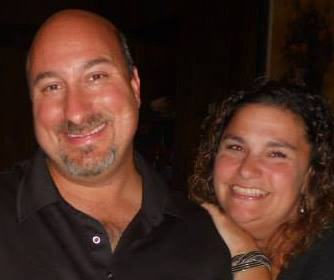
    Steve and Jennie Silha ended up in debt the way a lot of young couples do: They had children.

    Steve, 44, is a realist, and says the problem was pretty simple.

    “It really came down to the fact that we decided that my wife would be a stay-at-home mom, but we spent like we had two incomes,” he said.

    And after 15 years of raising two children, the Chicago-area couple found themselves with $ 47,000 of unsecured debt – most of it credit card debt — last year. That’s when they made a commitment to make a change.

    “I’ll say that it came down to irresponsibility on the surface. We just made very poor decisions over the past 10 years,” Steve said. “We have decided to ‘grow up’ and take the debt on.”
    That was the first step. Step two involved Steve taking a new job with a higher salary. That helped a bit. Step three involved changes to the way the family spends money.

    “We cook at home more and haven’t taken a vacation like we usually do,” Steve said.

    But the biggest step of all was Jennie, 43, deciding to return to the workforce. With a 15-year-old son and 11-year-old daughter, the timing was right. She began this month.

    The couple has pledged that 100% of the income from her job in home health care will go toward reducing their debt.

    So far, they have paid off about $ 7,000.

    The new austerity measures haven’t left the family wanting more fun. Instead, their renewed commitment to paying off debt is a challenge that’s been good for their relationship, Steve said.

    Steve and Jennie debtSince June, we have drastically changed our lives — in many ways. Getting our financial life in order is one big way we are changing everything. It feels great. Paying off the first (credit) card was amazing,” he said.

    The turning point came when the couple discussed declaring bankruptcy last year, Steve said. They had tried another debt reduction plan four years ago, but didn’t stick to it because they “hadn’t hit rock bottom” yet, he said.

    “I think that was where we said, man, we are either going to destroy our personal financial life or we are going to fix this once and for all,” he said.

    The key to success this time will be both increasing their income and lowering their spending, he said.   Doing only one or the other “is like trying to lose weight without lowering your intake of calories and working out to burn more,” he said. In addition to their new jobs, both Steve and Jennie have side jobs where they earn a little extra income. All that will go toward paying debt, too.

    Steve hopes the positive changes will help teach his children about spending wisely and investing for the future.

    “I talk to my kids every week — if not every day — about the dangers of personal debt,” he said. “While I hope they listen, I know the most powerful thing will be them watching Jennie and me pull ourselves out of this pit.”

    There’s a long road ahead. Right now, Steve and his wife hope her income boost will make them debt-free within two years. But that will require sticking with the plan. Steve says he’s ready.

    “I believe that so much of doing this … and anything else … is having the right attitude,” he said. “We finally decided that we had enough and are going to attack this debt with passion … we are both doing this as a team … this has brought us closer together. No doubt.”

    Carrying a high percentage of credit card debt relative to your credit limits can have a negative impact on your credit scores. The poorer your credit, the more you tend to pay on interest rates which can cost you a lot more money over time. As you pay down your debt and build your credit, it can be helpful to track your progress. You can do that by getting your free credit scores – which you can do every 30 days on Credit.com.

    Inset image courtesy of Steve and Jennie Silha


    This article originally appeared on Credit.com.

    This article by Bob Sullivan was distributed by the Personal Finance Syndication Network.

    Personal Finance Syndication Network

Credit and Debit Card Ratings