Helping Financial Caregivers in Every State


Helping financial caregivers in every state

Millions of Americans are managing money or property for a family member or friend who is unable to pay bills or make financial decisions. We’ve heard from these financial caregivers about how tough it can be.

Kristin in Virginia had to take over financial management for her 35-year-old brother when he suffered a traumatic brain injury in a devastating car wreck. “Taking over financial caregiving for my brother was especially challenging when coupled with the physical and emotional trauma of his accident. Even though I’m a financially savvy individual, I had no idea where to get help…. Unfortunately, there was no guide, no checklist, or a book of best practices to refer to.”

In Florida, Hector stepped in to help his elderly mother after a niece stole nearly $ 100,000 from her. Despite his own severe disability, he works every day to make sure her nursing home bills are paid and her accounts are in order. “When you have to take care of someone else’s finances, you feel more responsible for their affairs than you do for your own. It’s overwhelming.”

Managing Someone Else’s Money

We listened to consumers about the need for easy-to-understand tools to help manage a loved one’s money. Two years ago we released the Managing Someone Else’s Money guides for financial caregivers all over the country, and we’ve distributed over 600,000 printed copies so far. The guides are for:

  • Agents under a power of attorney
  • Court-appointed guardians of property and conservators
  • Trustees
  • Government-benefit fiduciaries (Social Security representative payees and VA fiduciaries).

The guides help financial caregivers in three ways: they walk them through their duties, they tell them about protecting their loved ones from financial exploitation and scams, and they tell them where to go for help.

But, because people’s powers and duties overseeing another person’s finances vary from state to state, we’ve learned that people need more than a one-size-fits-all guide. That’s why we are releasing specially adapted guides for six states. We’ve already launched guides for Florida and Virginia, and soon will release guides to help financial caregivers in Arizona, Georgia, Illinois and Oregon.

But, what about the other 44 states and the territories?

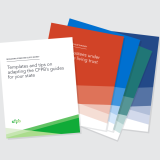
Today we are releasing new tools to help experts in other states adapt the CFPB’s guides. These tips and templates are meant for key state professionals to develop guides for states that don’t have them. (If you are wondering who a key state professional is, check out tip 2, in the tips document.) Our tips and templates will make it easy for experts to create state guides with specific information that financial caregivers need to know. The tips tool explains how to adapt the guides in ten easy steps. The templates highlight the parts of our guides where experts can add information about your state’s laws, practices and resources.

The tips and templates are available for download on consumerfinance.gov/managing-someone-elses-money . If you would like free print copies of the tips document, you can order single copies or place bulk orders .

Let’s work together to meet the needs of people like Kristin and Hector in your community.

This article by Naomi Karp was distributed by the Personal Finance Syndication Network.


By

Personal Finance Syndication Network

[box_success]We want to hear from you!
What do you think? Are you doing any financial caregiving duties currently, or do you foresee this in the next few years? Wherever you are in status on this issue, we would love to hear your comments below.
[/box_success]

Category: Best Low Fee Prepaid Cards

Millions of people are turning to prepaid debit cards as a smart alternative to carrying cash and writing checks. Almost anyone can qualify and they don’t require a credit check or a bank account.

Though they carry credit card logos and can be used anywhere a credit card is used, unlike a credit card, they do not offer a line of credit. The user can only spend the amount that has been loaded onto the card or placed into the account associated with the card.

There are dozens of debit cards on the market, many of them issued by the same bank, but fee structures are vastly different. Bestprepaiddebitcards.com has done all the research for you and provides comprehensive reviews to help you decide which card is best for you.


GO2bank Offers Overdraft Protection up to $300.

And build your credit with the GO2bank Secured Visa® Credit Card with no annual fee*, no credit check*, and no impact to your credit when you apply. (sponsor link)


  • Helping Financial Caregivers in Every State

    Helping Financial Caregivers in Every State


    Helping financial caregivers in every state

    Millions of Americans are managing money or property for a family member or friend who is unable to pay bills or make financial decisions. We’ve heard from these financial caregivers about how tough it can be.

    Kristin in Virginia had to take over financial management for her 35-year-old brother when he suffered a traumatic brain injury in a devastating car wreck. “Taking over financial caregiving for my brother was especially challenging when coupled with the physical and emotional trauma of his accident. Even though I’m a financially savvy individual, I had no idea where to get help…. Unfortunately, there was no guide, no checklist, or a book of best practices to refer to.”

    In Florida, Hector stepped in to help his elderly mother after a niece stole nearly $ 100,000 from her. Despite his own severe disability, he works every day to make sure her nursing home bills are paid and her accounts are in order. “When you have to take care of someone else’s finances, you feel more responsible for their affairs than you do for your own. It’s overwhelming.”

    Managing Someone Else’s Money

    We listened to consumers about the need for easy-to-understand tools to help manage a loved one’s money. Two years ago we released the Managing Someone Else’s Money guides for financial caregivers all over the country, and we’ve distributed over 600,000 printed copies so far. The guides are for:

    • Agents under a power of attorney
    • Court-appointed guardians of property and conservators
    • Trustees
    • Government-benefit fiduciaries (Social Security representative payees and VA fiduciaries).

    The guides help financial caregivers in three ways: they walk them through their duties, they tell them about protecting their loved ones from financial exploitation and scams, and they tell them where to go for help.

    But, because people’s powers and duties overseeing another person’s finances vary from state to state, we’ve learned that people need more than a one-size-fits-all guide. That’s why we are releasing specially adapted guides for six states. We’ve already launched guides for Florida and Virginia, and soon will release guides to help financial caregivers in Arizona, Georgia, Illinois and Oregon.

    But, what about the other 44 states and the territories?

    Today we are releasing new tools to help experts in other states adapt the CFPB’s guides. These tips and templates are meant for key state professionals to develop guides for states that don’t have them. (If you are wondering who a key state professional is, check out tip 2, in the tips document.) Our tips and templates will make it easy for experts to create state guides with specific information that financial caregivers need to know. The tips tool explains how to adapt the guides in ten easy steps. The templates highlight the parts of our guides where experts can add information about your state’s laws, practices and resources.

    The tips and templates are available for download on consumerfinance.gov/managing-someone-elses-money . If you would like free print copies of the tips document, you can order single copies or place bulk orders .

    Let’s work together to meet the needs of people like Kristin and Hector in your community.

    This article by Naomi Karp was distributed by the Personal Finance Syndication Network.


    By

    Personal Finance Syndication Network

    [box_success]We want to hear from you!
    What do you think? Are you doing any financial caregiving duties currently, or do you foresee this in the next few years? Wherever you are in status on this issue, we would love to hear your comments below.
    [/box_success]

  • Struggling to Keep Up with Student Loan Repayment

    Struggling to Keep Up with Student Loan Repayment

    We’ve all heard the stories. Whether from our friends, colleagues, adult children, or through our own experiences, we know that student loan debt is taking a huge toll on students and graduates across the country. With the total volume of outstanding student debt amounting to well over a trillion dollars, we’ve heard stories of its impact on home buying, saving, the start of new businesses, new families, and more.

    This summer, we had the pleasure of meeting Dani who shared her story with us. Her story was similar to many of the stories we receive on student debt. Dani, who graduated with a degree in elementary education, wasn’t making a lot of money. She was struggling to make ends meet and pay down her student loans. She was living in a family member’s basement located over an hour away from her job, driving a car in desperate need of repair, and trying to balance the cost of groceries against her student loan payments. At one point, she could not pay her student loans and received threatening calls as a result.

    “I can’t even tell you the number of times I’ve cried over my finances… It’s not like I’m going out and saying, ’Oh, I don’t have to pay those.’ I want to, and it’s really hard to deal with not being able to.”

    Dani was on a one-year reduced payment plan, but it was about to expire. She knew that her income still wasn’t enough to manage a full student loan payment so, before the reduced payment plan expired, she contacted her student loan servicer to find out what steps she needed to take to stay on the plan. Although they assured her that she’d be able to do so, her request to extend the plan was eventually denied. Dani continued to try to work with her student loan servicer but she was getting nowhere.

    “I needed help. I contacted the CFPB because I really needed someone else on my side. There’s nothing that I was doing with this private student loan servicer that was changing anything, and I was stuck in a position that felt hopeless…”

    The loan servicer reviewed her account and determined she was indeed eligible to stay on the reduced payment plan for another year. By reaching out to the CFPB, Dani was able to take charge of her student loan debt.

    “It’s such a relief to be able to not have to worry about if I’ll have money for gas to get to work; or, not have to worry about whether or not I’ll have something to eat that week; or being able to afford a place to live.”

    We’re glad that Dani got the help she needed by reaching out to the CFPB. Whether you’re struggling with student loans or planning how you’ll pay for college, we have tools to help you. You have the right to take charge of your student loan debt, so let us help you along the way.

    To learn more about our recent work to help student loan borrowers, read our report on Student Loan Servicing.

    Check out more stories from people like you, visit our Paying for College tool, and submit a complaint if you’re having a problem with your student loan.

    This article by Ashley Gordon was distributed by the Personal Finance Syndication Network.


    By

    Personal Finance Syndication Network

Credit and Debit Card Ratings