
CFPB To Police Prepaid Debit Cards

In yet another sign of the mainstreaming of prepaid debit cards, the Consumer Financial Protection Bureau (CFPB) announced this week that it would begin accepting complaints from Americans encountering problems with these increasingly popular financial products. Although the market for prepaid debit cards has been steadily expanding and attracting big name financial players like American Express, consumer advocates have expressed concern about a lack of regulatory oversight.

The CFPB is in the midst of developing proposed regulations targeted at prepaid debit cards, which should be released in the coming months. In the meantime, the CFPB, the federal government’s consumer watchdog for all manner of financial matters, is urging Americans who have run into problems with prepaid cards to get in touch. “By accepting consumer complaints about prepaid products and certain other services we will be giving people a greater voice in these markets and a place to turn to when they encounter problems,” says CFPB director, Richard Cordray.

In its statement announcing the move, the CFPB outlined the specific issues consumers should alert it to, including:

  • Trouble managing, opening or closing an account
  • Incorrect or unexpected fees
  • Overdraft issues
  • Frauds, scams or unauthorized transactions
  • Advertising, disclosures and marketing practices
  • Adding money and savings and rewards features

The CFPB already accepts consumer complaints about a wide range of financial products, including credit cards, mortgages, consumer loans and bank accounts. The CFPB complaint process works like this: After receiving a complaint, the CFPB expects companies to respond within 15 days and outline the steps they plan to take to address the problem. The CFPB also expects some sort of resolution to all complaints within 60 days. Consumers who do submit a complaint receive a tracking number and can follow the process on the CFPB website.

Complaints about prepaid cards can be submitted through the CFPB website. In the same announcement about accepting prepaid debit card complaints, the CFPB also said that it would begin to address problems with debt settlement and credit repair companies as well as pawn and title loans suppliers.

Tag: Stored-value card

  • CFPB To Police Prepaid Debit Cards

    CFPB To Police Prepaid Debit Cards

    In yet another sign of the mainstreaming of prepaid debit cards, the Consumer Financial Protection Bureau (CFPB) announced this week that it would begin accepting complaints from Americans encountering problems with these increasingly popular financial products. Although the market for prepaid debit cards has been steadily expanding and attracting big name financial players like American Express, consumer advocates have expressed concern about a lack of regulatory oversight.

    The CFPB is in the midst of developing proposed regulations targeted at prepaid debit cards, which should be released in the coming months. In the meantime, the CFPB, the federal government’s consumer watchdog for all manner of financial matters, is urging Americans who have run into problems with prepaid cards to get in touch. “By accepting consumer complaints about prepaid products and certain other services we will be giving people a greater voice in these markets and a place to turn to when they encounter problems,” says CFPB director, Richard Cordray.

    In its statement announcing the move, the CFPB outlined the specific issues consumers should alert it to, including:

    • Trouble managing, opening or closing an account
    • Incorrect or unexpected fees
    • Overdraft issues
    • Frauds, scams or unauthorized transactions
    • Advertising, disclosures and marketing practices
    • Adding money and savings and rewards features

    The CFPB already accepts consumer complaints about a wide range of financial products, including credit cards, mortgages, consumer loans and bank accounts. The CFPB complaint process works like this: After receiving a complaint, the CFPB expects companies to respond within 15 days and outline the steps they plan to take to address the problem. The CFPB also expects some sort of resolution to all complaints within 60 days. Consumers who do submit a complaint receive a tracking number and can follow the process on the CFPB website.

    Complaints about prepaid cards can be submitted through the CFPB website. In the same announcement about accepting prepaid debit card complaints, the CFPB also said that it would begin to address problems with debt settlement and credit repair companies as well as pawn and title loans suppliers.

  • Suze Orman Prepaid Card Discontinued June 30

    Suze Orman Prepaid Card Discontinued June 30

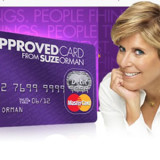
    Celebrity financial advisor, Suze Orman, has urged countless people seeking her money guidance to get a grip and not make a purchase when they could not afford it. It’s the kind of tough love advice that makes for good entertainment, but it’s also not what holders of the Suze Orman prepaid card are being advised to do right now. Instead, customers in possession of the Suze Orman prepaid card are being told to spend, spend, spend.That’s because Orman’s Approved Card, a partnership with Bancorp Bank that was released in early 2012, is suspending operations on July 1. According to a story in The New York Times, holders of the Approved Card recently received a letter from Bancorp Bank urging them to spend whatever money remained in their accounts – anything not spent would be refunded to them.

    The disappearance of the Suze Orman prepaid card, which she reportedly launched with $1 million of her own money, is not an isolated case in the once bustling celebrity prepaid card market. Basketball superstar Magic Johnson’s prepaid card will also suspend operations on June 30. Prepaid debit cards backed by the Kardashian sisters, singer Justin Bieber and comedian George Lopez have either been discontinued or are no longer prominently marketing their celebrity backing.

    The suspension of Orman’s Approved Card is especially illustrative in understanding why the stampede of celebrity prepaid cards seems to be at an end. Unlike the cards offered by the Kardashians – which charged a whopping $100 to just buy the card, along with a host of other big fees – Orman’s Approved Card charged relatively modest fees, including a $3 account maintenance charge. But even with a more consumer-friendly offering, the economics of Orman’s card clearly didn’t pencil out. “You’re dealing with a lot of customers who have a lot of things go wrong, and they need their money to put milk and bread on the table,” industry consultant Rob Rosenblatt told The New York Times. “Three dollars is a really tough baseline from which to serve customers who are going to be calling a lot.”

    Another factor driving celebrity prepaid cards out of the market is competition. Large financial services companies like American Express have unveiled ultra low-fee products like Bluebird and Serve. Bluebird, for instance, charges no activation fee and has no monthly account maintenance charge. Fans of Suze Orman, Justin Bieber and Magic Johnson would have to be unusually devoted to pay unnecessary fees.

Credit and Debit Card Ratings