
A True Wall Street Occupation?

How the Occupy Card Doesn’t Live up to its Promise  

by Shane Tripcony

The terms and conditions of credit, debit and prepaid cards are not what anyone would call scintillating reading. Layered with legalese and hard to decipher jargon, these documents have traditionally (and understandably) been ignored by consumers. Which is too bad because they contain the sort of vital information people need to make smart financial decisions.

By contrast, the recently announced fee structure for the Occupy Card is a legitimately fascinating read. The Occupy Card is a prepaid debit card that an offshoot of the Occupy Wall Street Movement is hoping to soon introduce to the marketplace, the first of what the so-called Occupy Money Cooperative would like to be an array of financial products and services. And while the proposed fees are not the fully-fledged terms one would wade through with an already available prepaid card, there’s one section you probably won’t find with many other cards: how to avoid the fees. (To be fair, Account Now generously offers tips to save money on their fees page as well, so kudos to Account Now, as well.)

For instance, the issuers of the Occupy Card dutifully note that it will cost users $1.95 to take money out of an ATM, the result of network and other third party charges (ie. not Occupy’s fault). But to dodge that fee, the Occupy Money Cooperative urges people to get cash back while shopping. It goes on and on like this, with the designers of the Occupy Card offering tips on how to get around fees whenever possible.

Arguably, in a financial services industry that many believe seeks out revenue generating fees the way a shark hones in on blood, the mere existence of a card-provider tip sheet about avoiding them is incredible. Of course, it’s not a huge surprise, given the Occupy Movement’s loathing of the way it believes Wall Street mistreats its customers and harms society.

Now, don’t expect other issuers of prepaid debit cards to suddenly follow Occupy’s lead and highlight ways to sidestep their fees. (It sure would be nice, though!) But the sad truth is that they won’t need to because the non-profit, stick-it-to-the-man Occupy Card is far less consumer-friendly than many of the prepaid cards offered by the big banks. That’s right, the greedy capitalists from Wall Street have many, many prepaid debit cards that would cost consumers far less than the offering from the former residents of Zuccotti Park.

While the Occupy Card has a low monthly account fee of $0.99, the $1.95 charge to take money out of an ATM is painful for anyone – no matter whether it’s the fault of Occupy or not. Also costly are fees for getting basic account information. The Occupy Card charges $2 to speak with a customer service representative and $0.99 to get automated help. As with most consumer-friendly prepaid debit cards, there’s no charge to load the Occupy Card using direct deposit. But any other method to load the card will set people back as much as $5 per transaction. That’s not exactly the kind of help the 99% need.

It’s also not going to help the Occupy Card gain much traction in the marketplace. Based on our calculations, the average annual fees for the Occupy Card would cost the average consumer $259.40 per year. Truth be told, that lands the Occupy Card squarely in the middle of the pack. There are alternatives, such as Bluebird by American Express, which cost the consumer nothing, based on our standard formula. There are quite a few other cards that average out with lower fees as well. Cards from banking behemoths like Chase and U.S. Bank and American Express offer free ATM withdrawals and cash loads and are, overall, a far better deal for consumers. Even with the fee differences, the Occupy Card does send a message, and many consumers may find the importance of sending that message to be worth those higher fees. Bottom line, here’s the question for everybody: Are you up for occupying the Occupy Card?

Tag: prepaid card

  • A True Wall Street Occupation?

    A True Wall Street Occupation?

    How the Occupy Card Doesn’t Live up to its Promise  

    by Shane Tripcony

    The terms and conditions of credit, debit and prepaid cards are not what anyone would call scintillating reading. Layered with legalese and hard to decipher jargon, these documents have traditionally (and understandably) been ignored by consumers. Which is too bad because they contain the sort of vital information people need to make smart financial decisions.

    By contrast, the recently announced fee structure for the Occupy Card is a legitimately fascinating read. The Occupy Card is a prepaid debit card that an offshoot of the Occupy Wall Street Movement is hoping to soon introduce to the marketplace, the first of what the so-called Occupy Money Cooperative would like to be an array of financial products and services. And while the proposed fees are not the fully-fledged terms one would wade through with an already available prepaid card, there’s one section you probably won’t find with many other cards: how to avoid the fees. (To be fair, Account Now generously offers tips to save money on their fees page as well, so kudos to Account Now, as well.)

    For instance, the issuers of the Occupy Card dutifully note that it will cost users $1.95 to take money out of an ATM, the result of network and other third party charges (ie. not Occupy’s fault). But to dodge that fee, the Occupy Money Cooperative urges people to get cash back while shopping. It goes on and on like this, with the designers of the Occupy Card offering tips on how to get around fees whenever possible.

    Arguably, in a financial services industry that many believe seeks out revenue generating fees the way a shark hones in on blood, the mere existence of a card-provider tip sheet about avoiding them is incredible. Of course, it’s not a huge surprise, given the Occupy Movement’s loathing of the way it believes Wall Street mistreats its customers and harms society.

    Now, don’t expect other issuers of prepaid debit cards to suddenly follow Occupy’s lead and highlight ways to sidestep their fees. (It sure would be nice, though!) But the sad truth is that they won’t need to because the non-profit, stick-it-to-the-man Occupy Card is far less consumer-friendly than many of the prepaid cards offered by the big banks. That’s right, the greedy capitalists from Wall Street have many, many prepaid debit cards that would cost consumers far less than the offering from the former residents of Zuccotti Park.

    While the Occupy Card has a low monthly account fee of $0.99, the $1.95 charge to take money out of an ATM is painful for anyone – no matter whether it’s the fault of Occupy or not. Also costly are fees for getting basic account information. The Occupy Card charges $2 to speak with a customer service representative and $0.99 to get automated help. As with most consumer-friendly prepaid debit cards, there’s no charge to load the Occupy Card using direct deposit. But any other method to load the card will set people back as much as $5 per transaction. That’s not exactly the kind of help the 99% need.

    It’s also not going to help the Occupy Card gain much traction in the marketplace. Based on our calculations, the average annual fees for the Occupy Card would cost the average consumer $259.40 per year. Truth be told, that lands the Occupy Card squarely in the middle of the pack. There are alternatives, such as Bluebird by American Express, which cost the consumer nothing, based on our standard formula. There are quite a few other cards that average out with lower fees as well. Cards from banking behemoths like Chase and U.S. Bank and American Express offer free ATM withdrawals and cash loads and are, overall, a far better deal for consumers. Even with the fee differences, the Occupy Card does send a message, and many consumers may find the importance of sending that message to be worth those higher fees. Bottom line, here’s the question for everybody: Are you up for occupying the Occupy Card?

  • Chase Cardholders Get Wined And Dined

    Chase Cardholders Get Wined And Dined

    There are already plenty of reasons for foodies to attend the Epcot International Food & Wine Festival, from September 27 until November 11.  Given the global slant of Epcot, one of four theme parks located at the Florida based Walt Disney World Resort, the festival offers its gourmand visitors the opportunity to sample cuisines and drinks at over 25 different international marketplaces. Attendees will also have the chance to learn from professional chefs and bartenders, at special demonstrations and seminars, as well as hobnob with celebrity chefs.

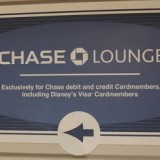
    All of these attractions, and many more, are available to anyone who purchases admission to the park. For holders of Chase debit and credit cards there is an added incentive to make the trek to Florida and attend the festival. Chase cardholders that attend the month-and-a-half long festivities will also have access to the Chase Lounge. Located on the third floor of the American Adventure Pavilion, within the Epcot World Showcase, the Chase Lounge provides visitors a quiet place to enjoy complimentary drinks and recharge mobile phones and tablets, among other things.

    A sponsor of the now 18-year-old festival, Chase has collaborated closely with Disney for over a decade. Besides its Epcot sponsorship, Chase offers a range of Disney branded financial products including the Disney Rewards Visa Card. Last year Chase launched the Disney Visa Debit Card and the Disney Premier Visa Card as well.

    The opportunity to get away from the festival crowds and recharge in the Chase Lounge is just the latest perk by Disney and Chase provided to cardholders. For instance, all Disney Visa Cards offer admission and merchandise savings at Disney World and Disneyland as well as the chance to meet Disney characters at an exclusive cardholder location.

Credit and Debit Card Ratings