Are Prepaid Cards Making Checking Accounts Obsolete?
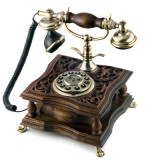
If you grew up in the 1970s, 80s or even 90s, you’ll remember how hard it could be to have a private phone call. Plenty of households had just one phone with a cord, which made it nearly impossible to avoid eavesdropping siblings and parents. Of course, we all know what happened to landlines when cell phone technology became mainstream: Even a couple of years ago more than half of American homes had already ditched them, a number that has certainly increased by now.A similar extinction awaits traditional checking accounts. Why? The same sort of disruption that pulled the cord on millions of landlines is already underway in the world of personal finance, thanks to the rapid emergence and improvement of prepaid debit cards. The numbers alone show that checking accounts have already begun their walk into history. Indeed, between 2009 and 2012, prepaid card transactions grew at an annual rate of over 33 percent, with the total number of transactions reaching 3.1 billion in 2012 alone. Fitch Ratings recently declared that the rise of prepaid card transactions is likely to continue.There are a number of reasons to believe that Fitch is right and all of those reasons are very bad news for checking accounts. In part, the reason prepaid debit cards will make checking accounts obsolete is because the accounts themselves have become less and less attractive. Long gone are the days when checking accounts could be counted on to be gratis. In fact, 41 percent of banks say they will not offer free checking this year, an uptick of 8 percent since just last year. To be fair, banks are choosing to add fees in response to federal legislation that reduced what they could charge for regular debit card transactions and left a big hole in their revenue.But an even bigger reason the days of checking accounts are numbered is significant improvements in prepaid debit cards themselves. Long the last resort of people who couldn’t obtain bank accounts or credit cards – the so-called “unbanked” – prepaid debit cards were layered with outrageous fees. Some prepaid cards are still very bad deals (especially those with celebrity names on them) but the influx of cards from large financial institutions like American Express have vastly improved the consumer friendliness of these products. In fact, earlier this month the Pew Charitable Trusts released a study that found that many prepaid cards are more affordable than checking accounts.Besides the fact that checking accounts can no longer be counted on to be free, prepaid cards increasingly offer other features consumers find attractive. Since you can only spend money that’s already in a prepaid account, it’s impossible to either bust your budget or incur hefty overdraft charges. According to Shane Tripcony of BestPrepaidDebitCards.com, “The most common statement I get from current prepaid cardholders is their appreciation for that fact that they no longer get hit by overdraft fees with their card. It keeps their spending in check and does not allow for unplanned-for expenses. Some prepaid debit cards allow users to tap into a fee-free nationwide ATM network and others permit cardholders to write checks. “The bill paying and check writing capabilities without the threat of overdraft charges is what really helps prepaid cardholders,” said Tripcony.
Wireless provider T-Mobile can see the writing on the wall for checking accounts. In January the communications company jumped into financial services with the launch of Mobile Money a combination prepaid debit card, money management app and nationwide ATM network. For T-Mobile customers (non-customers can be subject to more fees), Mobile Money can be a basically free replacement for a no longer free checking account. And in a way, isn’t it appropriate that a cell phone company is helping to hasten the demise of a dinosaur every bit as obsolete as a landline?
If you grew up in the 1970s, 80s or even 90s, you’ll remember how hard it could be to have a private phone call. Plenty of households had just one phone with a cord, which made it nearly impossible to avoid eavesdropping siblings and parents. Of course, we all know what happened to landlines when cell phone technology became mainstream: Even a couple of years ago more than half of American homes had already ditched them, a number that has certainly increased by now.A similar extinction awaits traditional checking accounts. Why? The same sort of disruption that pulled the cord on millions of landlines is already underway in the world of personal finance, thanks to the rapid emergence and improvement of prepaid debit cards. The numbers alone show that checking accounts have already begun their walk into history. Indeed, between 2009 and 2012, prepaid card transactions grew at an annual rate of over 33 percent, with the total number of transactions reaching 3.1 billion in 2012 alone. Fitch Ratings recently declared that the rise of prepaid card transactions is likely to continue.There are a number of reasons to believe that Fitch is right and all of those reasons are very bad news for checking accounts. In part, the reason prepaid debit cards will make checking accounts obsolete is because the accounts themselves have become less and less attractive. Long gone are the days when checking accounts could be counted on to be gratis. In fact, 41 percent of banks say they will not offer free checking this year, an uptick of 8 percent since just last year. To be fair, banks are choosing to add fees in response to federal legislation that reduced what they could charge for regular debit card transactions and left a big hole in their revenue.But an even bigger reason the days of checking accounts are numbered is significant improvements in prepaid debit cards themselves. Long the last resort of people who couldn’t obtain bank accounts or credit cards – the so-called “unbanked” – prepaid debit cards were layered with outrageous fees. Some prepaid cards are still very bad deals (especially those with celebrity names on them) but the influx of cards from large financial institutions like American Express have vastly improved the consumer friendliness of these products. In fact, earlier this month the Pew Charitable Trusts released a study that found that many prepaid cards are more affordable than checking accounts.Besides the fact that checking accounts can no longer be counted on to be free, prepaid cards increasingly offer other features consumers find attractive. Since you can only spend money that’s already in a prepaid account, it’s impossible to either bust your budget or incur hefty overdraft charges. According to Shane Tripcony of BestPrepaidDebitCards.com, “The most common statement I get from current prepaid cardholders is their appreciation for that fact that they no longer get hit by overdraft fees with their card. It keeps their spending in check and does not allow for unplanned-for expenses. Some prepaid debit cards allow users to tap into a fee-free nationwide ATM network and others permit cardholders to write checks. “The bill paying and check writing capabilities without the threat of overdraft charges is what really helps prepaid cardholders,” said Tripcony.
Wireless provider T-Mobile can see the writing on the wall for checking accounts. In January the communications company jumped into financial services with the launch of Mobile Money a combination prepaid debit card, money management app and nationwide ATM network. For T-Mobile customers (non-customers can be subject to more fees), Mobile Money can be a basically free replacement for a no longer free checking account. And in a way, isn’t it appropriate that a cell phone company is helping to hasten the demise of a dinosaur every bit as obsolete as a landline?
The annual South by Southwest Festival (SXSW) in Austin, Texas has earned a global reputation as a place where talented bands and filmmakers go to do something special. Now it’s American Express’s turn to go big. At this year’s SXSW Interactive Festival, the technology arm of the sprawling event, American Express unveiled several major initiatives to both shine a spotlight on the needs of the tens of millions of Americans who are not well-served by the current financial system and to do something about it.
Appropriately enough, American Express chose SXSW as the place to show a trailer to a movie it is helping produce. The film, Spent: Looking for Change, premiering this summer, is a documentary that tells the stories of ordinary Americans who are frozen out of the traditional financial system. Forced to rely on expensive options like payday loans and money orders, the movie shows how time-consuming and costly it is for an estimated 70 million Americans to move money around and pay bills, tasks that people with bank and credit card accounts take for granted. “Not having a bank account makes it incredibly difficult to manage your day to day finances, it often means you can’t establish credit, and therefore can’t buy a home, finance a car, or take out a student loan,” says Davis Guggenheim, the executive creative director and the filmmaker behind An Inconvenient Truth and Waiting for Superman.
While the film is meant to raise awareness for the problems faced by Americans not served by the mainstream financial services industry, American Express’s other announcements at SXSW are meant to find solutions. One of the company’s new efforts will be to devote funding to technology startups focused on improving the options available to the financially disenfranchised. Specifically, American Express Ventures, a Silicon Valley effort targeted at finding technology innovation in financial services, will seek out technology startups that provide people greater access to capital, promote savings and develop new credit building models.
In addition, American Express announced the establishment of a Financial Innovation Lab. Set to begin work this June, the lab will give researchers, technologists and professionals working with the underserved an opportunity to work together and share ideas and solutions. “We want to help modernize traditional banking and advance the next generation of products. By supporting new technology as well as the work of researchers and promising startups, I believe we can bring more people from the margins to the mainstream,” says Dan Schulman, group president of Enterprise Growth at American Express.
There’s also plenty of self-interest in American Express’s announcements at SXSW. The company has released low-fee prepaid debit card products, Serve and Bluebird, over the past few years and has made no secret of its efforts to grow its business by meeting the needs of America’s unbanked and under banked.
To view the trailer and to find out more about American Express’ commitment to improving financial inclusion visit: www.spentmovie.com.
After watching the trailer and the video, share your thoughts in the Comments section below. We would love to hear from you. Also, please help spread the word. Tweet, Like, Share. It is information worth sharing.