
For Prepaid Cards, Choose EMV Chip Cards, A Smart Card All Around

By Curtis Arnold

Besides the thieves themselves, the main culprit to emerge from the recent heist of personal information from over 100 million Target and Neiman Marcus shoppers isn’t human at all. Rather, the unlikely villain is a decades old piece of technology known simply as the magstripe, or magnetic stripe, that graces the backs of billions of credit, debit and prepaid debit cards carried by Americans in their pocketbooks and wallets everyday.

But, there is an alternative on the way, the EMV chip card.

In a way that not even the most well crafted editorials or investigative journalism series could have accomplished, the collective anger spawned by millions of consumers has focused a spotlight on the inability of magnetic stripe technology to safeguard the critical account and personal data it contains. “Basically, the magnetic strip contains all the data needed for credit card fraud,” says Lamar Bailey, Director of Security Research for Tripwire, a data security firm that works with companies like Visa, MasterCard and Safeway. “Unfortunately, these strips are very easy to read and duplicate and are a favorite target for a wide variety of financial fraud.”

***************************************************************
[button link=”#Comments” variation=”darkgrey”]We want your opinion![/button]  What do you think of the recent security breaches?  How safe do you feel your personal data is currently?  What are your main concerns about using credit, debit or prepaid cards?  We want to hear from you!  Just add in your thoughts in the Comments section below!
***************************************************************
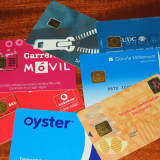
As difficult as the lesson has been to learn, there is now a more widespread understanding of the need to quickly embrace so-called smart cards. Also known as EMV or chip and PIN cards, they have been the standard in Europe for years and offer far greater identity protection than magnetic strips. Introduced in the 1990s in Europe, these so-called EMV cards take their name from Europay/MasterCard/Visa. As Robert Siciliano, the CEO of IDTheftSecurity.com, explains it, EMV chip cards contain an embedded microchip that is authenticated using a personal identification number, or PIN. “When a customer uses a smart card to make a purchase, the card is placed into a PIN pad terminal or a modified swipe-card reader, which accesses the card’s microchip and verifies the card’s authenticity. The customer then enters a four digit PIN, which is checked against the PIN stored on the card.”

This is another way of saying that smart cards are a tougher nut for identity thieves to crack – and a good explanation as to why global cyber criminals have set their sights on the U.S. It also means that, whenever possible, American consumers should choose a payment card that offers EMV chip protection. This is particularly true for the growing number of Americans who utilize prepaid debit cards.

While it’s true that the prepaid debit card industry has been exploding recently – Mercator Advisory Groups reports that Americans loaded $192 billion onto prepaid cards in 2012 – the mainstreaming of a product once favored primarily by those who couldn’t get bank accounts or credit cards has not yet been accompanied by stronger consumer protections. For instance, if a credit card is lost or stolen, federal law limits consumer liability to just $50, although most major card issuers offer zero liability. Federal law also protects debit cards, although limiting liability depends on a consumer quickly reporting a card lost or stolen. By sharp contrast, prepaid debit cards do not have blanket protection. The terms and conditions vary depending on the card issuer, with some being quite good and others nonexistent.

Because of that lack of protection, prepaid debit card users concerned about fraud can avoid having their accounts cleaned out by getting an EMV chip card. Unfortunately, these smart cards are not available everywhere – not even close. Some card issuers, such as the Members 1st Federal Credit Union, do offer EMV chip reloadable prepaid cards. But as is the case with most debit and credit cards, a smart card option is not yet available. “EMV has not been popular in the US because of the high cost of replacing all the credit card readers and millions of credit cards,” says Lamar Bailey of Tripwire.

What can change that? For many credit and debit card issuers, the change is underway and expected to be complete by 2017. A combination of public pressure, regulation and simple self-interest could prompt the same move by prepaid card providers. “The technology in a magnetic stripe card has been hacked and decimated,” says Siciliano of IDTheftSecurity.com. “EMV for prepaid cards would bring them to the same security standard as credit and debit cards and more than likely open up a new market for card providers.”

Photo Information below.

Caption:  By 2017, look for embedded security chips to be present in all US credit and debit cards. (Photo credit: Wikipedia)

***************************************************************
[button link=”#Comments” variation=”darkgrey”]We want your opinion! [/button] What do you think of the recent security breaches?  How safe do you feel your personal data is currently?  What are your main concerns about using credit, debit or prepaid cards?  We want to hear from you!  Just add in your thoughts in the Comments section below!
***************************************************************

Category: Best Low Fee Prepaid Cards

Millions of people are turning to prepaid debit cards as a smart alternative to carrying cash and writing checks. Almost anyone can qualify and they don’t require a credit check or a bank account.

Though they carry credit card logos and can be used anywhere a credit card is used, unlike a credit card, they do not offer a line of credit. The user can only spend the amount that has been loaded onto the card or placed into the account associated with the card.

There are dozens of debit cards on the market, many of them issued by the same bank, but fee structures are vastly different. Bestprepaiddebitcards.com has done all the research for you and provides comprehensive reviews to help you decide which card is best for you.


GO2bank Offers Overdraft Protection up to $300.

And build your credit with the GO2bank Secured Visa® Credit Card with no annual fee*, no credit check*, and no impact to your credit when you apply. (sponsor link)


  • For Prepaid Cards, Choose EMV Chip Cards, A Smart Card All Around

    For Prepaid Cards, Choose EMV Chip Cards, A Smart Card All Around

    By Curtis Arnold

    Besides the thieves themselves, the main culprit to emerge from the recent heist of personal information from over 100 million Target and Neiman Marcus shoppers isn’t human at all. Rather, the unlikely villain is a decades old piece of technology known simply as the magstripe, or magnetic stripe, that graces the backs of billions of credit, debit and prepaid debit cards carried by Americans in their pocketbooks and wallets everyday.

    But, there is an alternative on the way, the EMV chip card.

    In a way that not even the most well crafted editorials or investigative journalism series could have accomplished, the collective anger spawned by millions of consumers has focused a spotlight on the inability of magnetic stripe technology to safeguard the critical account and personal data it contains. “Basically, the magnetic strip contains all the data needed for credit card fraud,” says Lamar Bailey, Director of Security Research for Tripwire, a data security firm that works with companies like Visa, MasterCard and Safeway. “Unfortunately, these strips are very easy to read and duplicate and are a favorite target for a wide variety of financial fraud.”

    ***************************************************************
    [button link=”#Comments” variation=”darkgrey”]We want your opinion![/button]  What do you think of the recent security breaches?  How safe do you feel your personal data is currently?  What are your main concerns about using credit, debit or prepaid cards?  We want to hear from you!  Just add in your thoughts in the Comments section below!
    ***************************************************************

    As difficult as the lesson has been to learn, there is now a more widespread understanding of the need to quickly embrace so-called smart cards. Also known as EMV or chip and PIN cards, they have been the standard in Europe for years and offer far greater identity protection than magnetic strips. Introduced in the 1990s in Europe, these so-called EMV cards take their name from Europay/MasterCard/Visa. As Robert Siciliano, the CEO of IDTheftSecurity.com, explains it, EMV chip cards contain an embedded microchip that is authenticated using a personal identification number, or PIN. “When a customer uses a smart card to make a purchase, the card is placed into a PIN pad terminal or a modified swipe-card reader, which accesses the card’s microchip and verifies the card’s authenticity. The customer then enters a four digit PIN, which is checked against the PIN stored on the card.”

    This is another way of saying that smart cards are a tougher nut for identity thieves to crack – and a good explanation as to why global cyber criminals have set their sights on the U.S. It also means that, whenever possible, American consumers should choose a payment card that offers EMV chip protection. This is particularly true for the growing number of Americans who utilize prepaid debit cards.

    While it’s true that the prepaid debit card industry has been exploding recently – Mercator Advisory Groups reports that Americans loaded $192 billion onto prepaid cards in 2012 – the mainstreaming of a product once favored primarily by those who couldn’t get bank accounts or credit cards has not yet been accompanied by stronger consumer protections. For instance, if a credit card is lost or stolen, federal law limits consumer liability to just $50, although most major card issuers offer zero liability. Federal law also protects debit cards, although limiting liability depends on a consumer quickly reporting a card lost or stolen. By sharp contrast, prepaid debit cards do not have blanket protection. The terms and conditions vary depending on the card issuer, with some being quite good and others nonexistent.

    Because of that lack of protection, prepaid debit card users concerned about fraud can avoid having their accounts cleaned out by getting an EMV chip card. Unfortunately, these smart cards are not available everywhere – not even close. Some card issuers, such as the Members 1st Federal Credit Union, do offer EMV chip reloadable prepaid cards. But as is the case with most debit and credit cards, a smart card option is not yet available. “EMV has not been popular in the US because of the high cost of replacing all the credit card readers and millions of credit cards,” says Lamar Bailey of Tripwire.

    What can change that? For many credit and debit card issuers, the change is underway and expected to be complete by 2017. A combination of public pressure, regulation and simple self-interest could prompt the same move by prepaid card providers. “The technology in a magnetic stripe card has been hacked and decimated,” says Siciliano of IDTheftSecurity.com. “EMV for prepaid cards would bring them to the same security standard as credit and debit cards and more than likely open up a new market for card providers.”

    Photo Information below.

    Caption:  By 2017, look for embedded security chips to be present in all US credit and debit cards. (Photo credit: Wikipedia)

    ***************************************************************
    [button link=”#Comments” variation=”darkgrey”]We want your opinion! [/button] What do you think of the recent security breaches?  How safe do you feel your personal data is currently?  What are your main concerns about using credit, debit or prepaid cards?  We want to hear from you!  Just add in your thoughts in the Comments section below!
    ***************************************************************

  • Target Data Breach Spawns Consumer Advisory

    Target Data Breach Spawns Consumer Advisory

    The now infamous Target data breach continues to have ripple effects. On January 27th, the Consumer Financial Protection Bureau (CFPB) issued a consumer advisory with tips on what to do if someone suspects they are a victim of what seems to be multiplying payment card data breaches.

    There’s no doubt that the Target data breach spawned this consumer advisory from the federal agency charged with protecting Americans from financially related fraud and abuse. In explaining why the consumer advisory was issued, Consumer Financial Protection Bureau head, Richard Courdray, noted that payment cards include information that can be misused by criminals. “Consumer financial products often involve significant amounts of consumer data,” he says. “In light of recent data breaches, we want to be sure that consumers know how to protect themselves and where to turn if they do suspect fraud.”

    According to the Consumer Financial Protection Bureau’s advisory, there are a number of steps people can take to protect their accounts in case of a payment card data breach. As a start, it helps to stay current with the news. In the wake of the Target data breach that spawned this particular consumer advisory, other potential payment card data breaches have come to light at retailers like Michaels Stores and Neiman Marcus. Knowing that you are a potential victim of a payment card data breach alerts you to the need to keep a close eye on your accounts. If there are any suspicious charges, the consumer advisory suggests reporting it immediately to your bank or card provider.

    The Consumer Financial Protection Bureau advises taking advantage of online or mobile account monitoring in order to catch any suspicious transactions quickly. “The sooner you tell your provider about any unauthorized debits or charges, the better,” says the consumer advisory. The advisory also urges consumers interested in protecting their accounts to keep an eye on transactions for months after any potential data breach. Unauthorized charges may not begin showing up for a long time. The Consumer Financial Protection Bureau also says to report any suspicious charges, even when the amount charged is very small. Sometimes criminals test an account to see if a small charge will go through before making larger purchases.

    If you do notice a charge you didn’t make, the Consumer Financial Protection Bureau suggests different responses depending on the type of card. For credit and debit cards, the advice is simple: cancel the card and, for a debit card, consider changing your PIN when you get a replacement. For prepaid debit cards, the Consumer Financial Protection Bureau says it’s best to check with the card provider about the best way to dispute charges. “Your rights vary depending on the type of card,” says the consumer advisory.

    The consumer advisory also urges anyone who notices a fraudulent transaction to immediately call the card provider’s toll-free customer service number rather than waiting to submit something in writing. Once you do actually write a letter detailing the facts of your case, be sure to keep a copy of the correspondence for your records.

    Finally, the Consumer Financial Protection Bureau says to report any problems with how your card provider responds to your concerns. “Card providers should investigate the charges and respond quickly – generally within 10 business days of receiving an error notice for debit card disputes or within two billing cycles for credit card disputes,” says the consumer advisory. “You have a right to know the results of the investigation.” Problems with a card provider’s response can be submitted at www.consumerfinance.gov/complaint.


Credit and Debit Card Ratings