
Wal-Mart Sues Visa

Call it clash of the titans. On March 28th Wal-Mart Stores, the largest retailer in the world, filed suit against Visa, alleging that the credit card company had cost it $5 billion. At issue for Wal-Mart is its charge that Visa conspired with other banks to artificially elevate the so-called “swipe fee” charged to process every credit or debit card transaction. Wal-Mart is seeking a total of $15 billion in damages.


Wal-Mart’s lawsuit, which was filed in the US District Court of Western Arkansas, is just the latest chapter in what has been a bitter and protracted feud between two sides who heavily depend on one another. Just a week before Wal-Mart filed its lawsuit, retailers were handed a defeat when the US Appeals Court for the District of Columbia overturned an earlier court decision that required the Federal Reserve to recalculate and lower its 21-cent per transaction cap on swipe fees. The ruling meant that swipe fees would continue to have a 21-cent ceiling.

The ongoing battle over how much banks should be able to charge stores for processing a debit card purchase began after the 2010 passage of the Dodd-Frank Consumer Protection and Wall Street Reform Act. Under the Durbin Amendment of that legislation, the Federal Reserve was tasked with formulating regulations that would result in swipe fees that reflected the actual costs to banks of processing a payment. Initially, the Federal Reserve proposed a cap of 12 cents, though it later revised it upwards to 21 cents. Before the passage of the Durbin Amendment and the Federal Reserve’s calculations the average debit card swipe fee was about 45 cents.



Category: Best Low Fee Prepaid Cards

Millions of people are turning to prepaid debit cards as a smart alternative to carrying cash and writing checks. Almost anyone can qualify and they don’t require a credit check or a bank account.

Though they carry credit card logos and can be used anywhere a credit card is used, unlike a credit card, they do not offer a line of credit. The user can only spend the amount that has been loaded onto the card or placed into the account associated with the card.

There are dozens of debit cards on the market, many of them issued by the same bank, but fee structures are vastly different. Bestprepaiddebitcards.com has done all the research for you and provides comprehensive reviews to help you decide which card is best for you.


GO2bank Offers Overdraft Protection up to $300.

And build your credit with the GO2bank Secured Visa® Credit Card with no annual fee*, no credit check*, and no impact to your credit when you apply. (sponsor link)


  • Wal-Mart Sues Visa

    Wal-Mart Sues Visa

    Call it clash of the titans. On March 28th Wal-Mart Stores, the largest retailer in the world, filed suit against Visa, alleging that the credit card company had cost it $5 billion. At issue for Wal-Mart is its charge that Visa conspired with other banks to artificially elevate the so-called “swipe fee” charged to process every credit or debit card transaction. Wal-Mart is seeking a total of $15 billion in damages.


    Wal-Mart’s lawsuit, which was filed in the US District Court of Western Arkansas, is just the latest chapter in what has been a bitter and protracted feud between two sides who heavily depend on one another. Just a week before Wal-Mart filed its lawsuit, retailers were handed a defeat when the US Appeals Court for the District of Columbia overturned an earlier court decision that required the Federal Reserve to recalculate and lower its 21-cent per transaction cap on swipe fees. The ruling meant that swipe fees would continue to have a 21-cent ceiling.

    The ongoing battle over how much banks should be able to charge stores for processing a debit card purchase began after the 2010 passage of the Dodd-Frank Consumer Protection and Wall Street Reform Act. Under the Durbin Amendment of that legislation, the Federal Reserve was tasked with formulating regulations that would result in swipe fees that reflected the actual costs to banks of processing a payment. Initially, the Federal Reserve proposed a cap of 12 cents, though it later revised it upwards to 21 cents. Before the passage of the Durbin Amendment and the Federal Reserve’s calculations the average debit card swipe fee was about 45 cents.


  • Capital One Introduces Credit Monitoring Tool

    Capital One Introduces Credit Monitoring Tool

    One undeniable product of the recent high-profile data breaches at Target, Neiman Marcus and other retailers is customer skittishness. Worries about the security of personal information stored on credit and debit cards has consumers understandably concerned every time they pull out their plastic to make a purchase. In response, some card issuers are providing tools that – while they don’t make the cards themselves any safer – can quickly alert consumers if their account has been compromised.

    In February, for instance, Discover announced that it would provide a free FICO score on all its card members’ monthly statements. Presumably, an unexplained drop in a FICO score could alert someone that something was amiss. Yesterday Capital One went a good bit further by introducing Credit Tracker, which provides its customers free credit scores, credit bureau alerts and a host of other tools to help people manage and understand their credit.

    Credit bureau monitoring, in particular, is meant to address anxiety people have about identity fraud. Capital One customers utilizing Credit Tracker will now receive an alert whenever a new account is opened in their name or if there is a change of address or employment, all of which are indicators of potential identity theft.

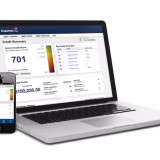
    While fraud protection is one aspect of Credit Tracker, there are other features that make it easier for customers to manage their credit. A person’s credit score plays a large part in determining whether they can get a mortgage or a car loan and, if they qualify, what sort of interest rate they’ll be charged. By accessing Credit Tracker via the Capital One mobile app, consumers can not only instantly view their credit score but also see a report card with letter grades on the primary factors that determine that score. Additionally, Credit Tracker allows Capital One customers to run various simulations to see how actions they take will affect their credit score.

    The release of Credit Tracker comes in the wake of a Capital One survey that showed that 41 percent of respondents didn’t know their credit score. The same survey also revealed that while 85 percent of respondents were worried about credit card fraud only 32 percent utilized a credit monitoring service.

    Capital One

    Capital One Financial Corporation is a U.S.-based bank holding company specializing in credit cards , home loans , auto loan s, bank ing


Credit and Debit Card Ratings