
Chase Blueprint Presents the Resource Center for Mindful Spending

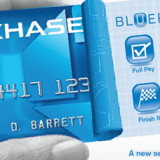
As more optimism sets in concerning consumer finances, Chase Blueprint releases its new initiative aimed at helping consumers reinforce positive spending habits.  The Resource Center for Mindful Spending was unveiled at Washington Post Live’s “Kitchen Table Economics” forum and is focused on helping customers take steps toward a better financial future.  The new initiative comes in the wake of Chase’s Pulse of the Consumer Survey revealing that more than seventy-six percent of Americans are more optimistic about their finances; up 11 percent from last year.

The survey takes a comprehensive look at Americans’ financial habits and attitudes toward the economy.  Forty-five percent of those surveyed believes their personal finances have already bottomed out and are getting better, a fourteen percent increase from last year.  More than sixty percent believe the national economy has bottomed out and is stable or improving.  In addition, consumers are even more optimistic about economic conditions around them, with sixty-seven percent believing their local economy is stable or improving.

The Resource Center for Mindful Spending draws upon the expertise of Chase and respected experts in areas ranging from finance to psychology.  Consumers can delve into a wealth of resources and tools to help them better understand how why they borrow and spend the way they do will help them use their resources wisely.

“As consumers begin to feel more optimistic about their financial situation, it’s more important than ever that we help them maintain good spending habits,” said Florian Egg-Krings, general manager, Chase Blueprint.  “That’s why Chase Blueprint is launching a new initiative that provides research and information to help nurture a mindful spending movement.  Together, we can help consumers strengthen the responsible spending and borrowing habits developed over the last few years.”

“Few question the importance of financial literacy, but we would benefit from a better understanding of how the human mind actually develops habits around spending and borrowing,” said Dr. Shefrin, the author of the paper and Mario Belotti Chair in the Department of Finance at Santa Clara University’s Leavey School of Business.  “Based on a deep investigation of how people spend and borrow, this paper identifies three specific pathways for developing better financial habits.”

  1. Make budgeting as easy as possible by designing smart, nurturing programs that help people carry out the basics of managing spending and borrowing.  This can involve things like: setting goals, developing budgets, tracking expenses, identifying ways to increase income, choosing appropriate lenders, matching a person’s credit cards to their specific needs and paying balances down intelligently.
  2. Use modern technology, specifically personal financial management tools to provide consumers with their current spending data in a straightforward method.  Collecting spending data in one place can help consumers recognize spending patterns and correct bad behavior before it gets out of control.
  3. Turn finances into fun by using games to help instill better spending and borrowing habits in children, particularly during the K-12 years.  Electronic games motivate students’ competitive instincts and activate the reward centers of their brains, all of which helps to make teaching them about mindful spending easier.

About the Survey

The 2013 Chase Blueprint Pulse of the Consumer Survey is an online omnibus poll of a nationally representative, randomly selected sample of 1,208 adults.  It was conducted March 5-7, 2013.  The margin of error is ± 2.8 percentage points.

About Chase Blueprint

Blueprint is available free of charge to new and existing Chase credit cardholders.  It’s simple to set up, easy to use and customizable.  With Blueprint, cardholders can save money and pay down balances faster.  More information is available at www.chase.com/blueprint.

About Chase

Chase is the U.S. consumer and commercial banking business of JPMorgan Chase & Co. (NYSE: JPM), a leading global financial services firm with assets of $2.4 trillion and operations in more than 60 countries.  Chase serves more than 50 million customers and small businesses through more than 5,500 bank branches, 17,500 ATMs, credit cards, mortgage offices, and online and mobile banking as well as through relationships with auto dealerships.  More information about Chase is available at www.chase.com.
 

Category: Best Low Fee Prepaid Cards

Millions of people are turning to prepaid debit cards as a smart alternative to carrying cash and writing checks. Almost anyone can qualify and they don’t require a credit check or a bank account.

Though they carry credit card logos and can be used anywhere a credit card is used, unlike a credit card, they do not offer a line of credit. The user can only spend the amount that has been loaded onto the card or placed into the account associated with the card.

There are dozens of debit cards on the market, many of them issued by the same bank, but fee structures are vastly different. Bestprepaiddebitcards.com has done all the research for you and provides comprehensive reviews to help you decide which card is best for you.


GO2bank Offers Overdraft Protection up to $300.

And build your credit with the GO2bank Secured Visa® Credit Card with no annual fee*, no credit check*, and no impact to your credit when you apply. (sponsor link)


  • Chase Blueprint Presents the Resource Center for Mindful Spending

    Chase Blueprint Presents the Resource Center for Mindful Spending

    As more optimism sets in concerning consumer finances, Chase Blueprint releases its new initiative aimed at helping consumers reinforce positive spending habits.  The Resource Center for Mindful Spending was unveiled at Washington Post Live’s “Kitchen Table Economics” forum and is focused on helping customers take steps toward a better financial future.  The new initiative comes in the wake of Chase’s Pulse of the Consumer Survey revealing that more than seventy-six percent of Americans are more optimistic about their finances; up 11 percent from last year.

    The survey takes a comprehensive look at Americans’ financial habits and attitudes toward the economy.  Forty-five percent of those surveyed believes their personal finances have already bottomed out and are getting better, a fourteen percent increase from last year.  More than sixty percent believe the national economy has bottomed out and is stable or improving.  In addition, consumers are even more optimistic about economic conditions around them, with sixty-seven percent believing their local economy is stable or improving.

    The Resource Center for Mindful Spending draws upon the expertise of Chase and respected experts in areas ranging from finance to psychology.  Consumers can delve into a wealth of resources and tools to help them better understand how why they borrow and spend the way they do will help them use their resources wisely.

    “As consumers begin to feel more optimistic about their financial situation, it’s more important than ever that we help them maintain good spending habits,” said Florian Egg-Krings, general manager, Chase Blueprint.  “That’s why Chase Blueprint is launching a new initiative that provides research and information to help nurture a mindful spending movement.  Together, we can help consumers strengthen the responsible spending and borrowing habits developed over the last few years.”

    “Few question the importance of financial literacy, but we would benefit from a better understanding of how the human mind actually develops habits around spending and borrowing,” said Dr. Shefrin, the author of the paper and Mario Belotti Chair in the Department of Finance at Santa Clara University’s Leavey School of Business.  “Based on a deep investigation of how people spend and borrow, this paper identifies three specific pathways for developing better financial habits.”

    1. Make budgeting as easy as possible by designing smart, nurturing programs that help people carry out the basics of managing spending and borrowing.  This can involve things like: setting goals, developing budgets, tracking expenses, identifying ways to increase income, choosing appropriate lenders, matching a person’s credit cards to their specific needs and paying balances down intelligently.
    2. Use modern technology, specifically personal financial management tools to provide consumers with their current spending data in a straightforward method.  Collecting spending data in one place can help consumers recognize spending patterns and correct bad behavior before it gets out of control.
    3. Turn finances into fun by using games to help instill better spending and borrowing habits in children, particularly during the K-12 years.  Electronic games motivate students’ competitive instincts and activate the reward centers of their brains, all of which helps to make teaching them about mindful spending easier.

    About the Survey

    The 2013 Chase Blueprint Pulse of the Consumer Survey is an online omnibus poll of a nationally representative, randomly selected sample of 1,208 adults.  It was conducted March 5-7, 2013.  The margin of error is ± 2.8 percentage points.

    About Chase Blueprint

    Blueprint is available free of charge to new and existing Chase credit cardholders.  It’s simple to set up, easy to use and customizable.  With Blueprint, cardholders can save money and pay down balances faster.  More information is available at www.chase.com/blueprint.

    About Chase

    Chase is the U.S. consumer and commercial banking business of JPMorgan Chase & Co. (NYSE: JPM), a leading global financial services firm with assets of $2.4 trillion and operations in more than 60 countries.  Chase serves more than 50 million customers and small businesses through more than 5,500 bank branches, 17,500 ATMs, credit cards, mortgage offices, and online and mobile banking as well as through relationships with auto dealerships.  More information about Chase is available at www.chase.com.

     

  • Consumers Turning to Prepaid Debit Cards Now More Than Ever

    Consumers Turning to Prepaid Debit Cards Now More Than Ever

    With tighter consumer regulations and the low-interest rate environment, banks have had to find new and innovative ways to make a profit. This led to higher fees and the end of “free checking” in some cases.  This move caused many consumers to avoid bank accounts altogether.  According to the October 2011 report “Still Risky:  Bank Fees and Disclosures in the States” by The Pew Charitable Trusts, 89% of the checking accounts offered at the 12 largest U. S. institutions involve bank fees.

    In the wake of the Card Act, a lot of credit card issuers were proactively discarding their customers for becoming too risky.  According to the Federal Reserve Flow of Funds report, the credit growth in America has declined from 9.6% in 2006 during the height of the credit boom to negative 2.2% in 2010 and has remained low ever since.  Now, the market flooded with consumers hooked on the ease, security and convenience of plastic, these customers needed an outlet.  This niche was then filled by a number of companies who created the prepaid debit card.

    Prepaid debit cards allow consumers to avoid both the credit card related fees and interest rates as well as the bank related fees, all while enjoying the convenience and flexibility of being able to access/load their cards at over 60,000 retail outlets across the United States.  Their funds are available in real time and retail outlets keep much better hours than traditional banks.

    According to the Federal Reserve Payments Study in 2010, prepaid cards are the highest-growth noncash payments in America.  Prepaid debit card have quickly become America’s favorite piece of plastic.

    For more information on this story, visit:  http://www.foxbusiness.com/personal-finance/2013/04/23/why-consumers-flock-to-prepaid-debit-cards/

    For more from this author visit:  Tameka Riley’s Author Page

Credit and Debit Card Ratings