
Credit and Debit Card Issuers Agree to a $7.25 Billion Settlement with US Retailers

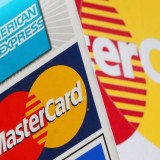
In what could be the largest antitrust settlement in US history, credit card issuers have agreed to a $7.25 billion settlement with US retailers.  The lawsuit involves a payment to a class of stores of $6 billion from Visa, MasterCard and more than a dozen of the country’s largest banks who issue the companies’ cards.  The proposed settlement would also allow stores to start charging customers extra for using certain credit cards in an effort to steer them toward cheaper forms of payment.

According to lawyers for the plaintiff, card companies have also agreed to reduce swipe fees by the equivalent of 10 basis points for eight months for a total consideration to stores valued at about $1.2 billion.  Additionally, merchants would be required to disclose information about card fees to customers, and credit card surcharges would be subject to a cap.  Surcharge rules would not affect the 10 states that currently prohibit that practice.

“This is a historic settlement,” said Bonny Sweeney, a lawyer for the plaintiffs.  The settlement “will help shift the competitive balance from one formerly dominated by the banks which controlled the card networks to the side of the merchants and consumers,” said Craig Wildfang, who also represented the plaintiffs.

Noah Hanft, general counsel for MasterCard, said the company believed its interests were “best served by an amicable resolution” of the case.  Visa Chief Executive Officer Joseph Saunders said the settlement was in the best interest of all parties and did not expect the settlement to impact its current guidance.

Not everyone was pleased with the proposed settlement, however.  One class plaintiff, the National Association of Convenience Stores, rejected the settlement in a statement on Friday from its president, Tom Robinson, who is also president of Robinson Oil Corp.  “Not only does the proposed settlement fail to introduce competition and transparency, it actually provides Visa and MasterCard with the tools to continue to shield swipe fees from market forces,” Robinson said.  “The proposed considerations are a far cry from the $50 billion in swipe-fees paid each year by US retailers.”

The American Bankers Association, a trade group whose members include the bank defendants, said retailers, not consumers, stood to gain the most from the proposed settlement.  “Big-box retailers will likely seize this opportunity to ask Congress for even more handouts,” said ABA President Frank Keating in a statement, referring to the Durbin amendment passed by Congress in 2010 limiting debit-card swipe fees; a move that banks say resulted in an $8 billion windfall for retailers.

“The legal process worked and should send a signal to Congress that it is wrong to pick winners and losers in a complex dispute between industries,” the Electronic Payment Coalition, which represents payment networks, said in a statement.  The plaintiffs charged that Visa and MasterCard colluded directly and indirectly through the issuing banks to keep merchants from finding ways to mitigate credit-card costs.

Plaintiffs in the case include supermarket chain Kroger Co, pharmacy chain Rite-Aid Corp and shoe retailer Payless Shoe Source, as well as trade associations such as the National Association of Convenience Stores, National Grocers Association and the American Booksellers Association.

The National Retail Federation, a trade group representing retailers, said that “the test will be whether the injunctive relief is meaningful.  Unless it is, the card market will stay broken and neither merchants nor their customers will achieve a long-term benefit.”

For more information visit:  http://www.brecorder.com/general-news/172/1215994/
Category: Best Low Fee Prepaid Cards

Millions of people are turning to prepaid debit cards as a smart alternative to carrying cash and writing checks. Almost anyone can qualify and they don’t require a credit check or a bank account.

Though they carry credit card logos and can be used anywhere a credit card is used, unlike a credit card, they do not offer a line of credit. The user can only spend the amount that has been loaded onto the card or placed into the account associated with the card.

There are dozens of debit cards on the market, many of them issued by the same bank, but fee structures are vastly different. Bestprepaiddebitcards.com has done all the research for you and provides comprehensive reviews to help you decide which card is best for you.


GO2bank Offers Overdraft Protection up to $300.

And build your credit with the GO2bank Secured Visa® Credit Card with no annual fee*, no credit check*, and no impact to your credit when you apply. (sponsor link)


  • Credit and Debit Card Issuers Agree to a $7.25 Billion Settlement with US Retailers

    Credit and Debit Card Issuers Agree to a $7.25 Billion Settlement with US Retailers

    In what could be the largest antitrust settlement in US history, credit card issuers have agreed to a $7.25 billion settlement with US retailers.  The lawsuit involves a payment to a class of stores of $6 billion from Visa, MasterCard and more than a dozen of the country’s largest banks who issue the companies’ cards.  The proposed settlement would also allow stores to start charging customers extra for using certain credit cards in an effort to steer them toward cheaper forms of payment.

    According to lawyers for the plaintiff, card companies have also agreed to reduce swipe fees by the equivalent of 10 basis points for eight months for a total consideration to stores valued at about $1.2 billion.  Additionally, merchants would be required to disclose information about card fees to customers, and credit card surcharges would be subject to a cap.  Surcharge rules would not affect the 10 states that currently prohibit that practice.

    “This is a historic settlement,” said Bonny Sweeney, a lawyer for the plaintiffs.  The settlement “will help shift the competitive balance from one formerly dominated by the banks which controlled the card networks to the side of the merchants and consumers,” said Craig Wildfang, who also represented the plaintiffs.

    Noah Hanft, general counsel for MasterCard, said the company believed its interests were “best served by an amicable resolution” of the case.  Visa Chief Executive Officer Joseph Saunders said the settlement was in the best interest of all parties and did not expect the settlement to impact its current guidance.

    Not everyone was pleased with the proposed settlement, however.  One class plaintiff, the National Association of Convenience Stores, rejected the settlement in a statement on Friday from its president, Tom Robinson, who is also president of Robinson Oil Corp.  “Not only does the proposed settlement fail to introduce competition and transparency, it actually provides Visa and MasterCard with the tools to continue to shield swipe fees from market forces,” Robinson said.  “The proposed considerations are a far cry from the $50 billion in swipe-fees paid each year by US retailers.”

    The American Bankers Association, a trade group whose members include the bank defendants, said retailers, not consumers, stood to gain the most from the proposed settlement.  “Big-box retailers will likely seize this opportunity to ask Congress for even more handouts,” said ABA President Frank Keating in a statement, referring to the Durbin amendment passed by Congress in 2010 limiting debit-card swipe fees; a move that banks say resulted in an $8 billion windfall for retailers.

    “The legal process worked and should send a signal to Congress that it is wrong to pick winners and losers in a complex dispute between industries,” the Electronic Payment Coalition, which represents payment networks, said in a statement.  The plaintiffs charged that Visa and MasterCard colluded directly and indirectly through the issuing banks to keep merchants from finding ways to mitigate credit-card costs.

    Plaintiffs in the case include supermarket chain Kroger Co, pharmacy chain Rite-Aid Corp and shoe retailer Payless Shoe Source, as well as trade associations such as the National Association of Convenience Stores, National Grocers Association and the American Booksellers Association.

    The National Retail Federation, a trade group representing retailers, said that “the test will be whether the injunctive relief is meaningful.  Unless it is, the card market will stay broken and neither merchants nor their customers will achieve a long-term benefit.”

    For more information visit:  http://www.brecorder.com/general-news/172/1215994/
  • First Tennessee Bank Introduces Its New Debit Card for UT Vols Fans

    First Tennessee Bank Introduces Its New Debit Card for UT Vols Fans

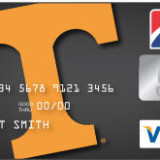
    In an announcement on Friday, First Tennessee Bank introduced its new debit card for UT Vols Fans.  First Tennessee Bank, a longtime corporate supporter and the official bank of the University of Tennesse’s Vols and Lady Vols, already offers Big Orange checking, with personalized checks.  With the university’s strong fan base and the bank’s leadership position in the Tennessee market, the two make for a great fit.

    “You might use your debit card several times a day,” said Pam Fansler, president of the bank’s East Region, “so a Vols card gets attention.”  The customized debit card features the distinctive big orange “T” allowing University of Tennessee fans to show their colors.  Unlike some debit cards, this one can even be used worldwide.

    For those who aren’t die hard UT fans, the bank also offers a Memphis Grizzlies and University of Memphis Tigers debit card.

    For more information, visit www.firsttennessee.com.


Credit and Debit Card Ratings