
Google Launches Prepaid Card

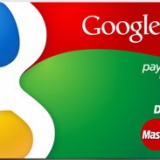
Google Inc. decided that the run-up to the holiday shopping season was the right time to announce its entrance into the prepaid debit card industry. On November 20 the search engine company declared – via blog post, of course, and with typical irreverence – the availability of its Google Wallet Card.

“Your roommate finally paid you back for dinner through Google Wallet, and you want to use that money right away to pay for groceries this week. Now, you can use the new Google Wallet Card to spend the money instantly, either by purchasing in stores or by withdrawing cash at ATMs,” reads the blog. As the company’s announcement indicates, the new prepaid debit card offering from Google is both similar and somewhat different from other cards already on the market, which are now available from financial heavyweights like American Express and Chase as well as groups like the Occupy Wall Street Movement.

Like so many other prepaid debit cards, the Google Wallet Card allows users to make purchases anywhere MasterCard is accepted. In addition, the card also makes it possible for cardholders to withdraw cash from ATMs. But there are also significant differences with the Google Wallet Card. As its name indicates, the Google prepaid debit card is linked to Google Wallet accounts. Google Wallet is a smartphone app linked to a consumer’s credit card or bank account that allows users to pay for items using their phone (if a retailer accepts Google Wallet, that is).

The new Google Wallet Card, which is available for use only in the U.S., can be loaded with money either from a Google Wallet account or from bank and credit card accounts. There are other differences that make the Google prepaid debit card stand out. Importantly, there is a notable lack of fees. Google does not charge anything to people for obtaining the card initially nor does it levy fees annually or monthly. The Google card also provides instant notifications delivered straight to a cardholder’s phone whenever a purchase is made.

Perhaps more controversially, information about purchases made using the Google Wallet Card will be tracked. According to an article in Reuters, the company will collect information on goods purchased with the card, the amount paid and the name and address of the seller. That information will then be included in profiles Google creates for advertisers interested in better targeting their pitches.

Author: Chris Warren

  • Google Launches Prepaid Card

    Google Launches Prepaid Card

    Google Inc. decided that the run-up to the holiday shopping season was the right time to announce its entrance into the prepaid debit card industry. On November 20 the search engine company declared – via blog post, of course, and with typical irreverence – the availability of its Google Wallet Card.

    “Your roommate finally paid you back for dinner through Google Wallet, and you want to use that money right away to pay for groceries this week. Now, you can use the new Google Wallet Card to spend the money instantly, either by purchasing in stores or by withdrawing cash at ATMs,” reads the blog. As the company’s announcement indicates, the new prepaid debit card offering from Google is both similar and somewhat different from other cards already on the market, which are now available from financial heavyweights like American Express and Chase as well as groups like the Occupy Wall Street Movement.

    Like so many other prepaid debit cards, the Google Wallet Card allows users to make purchases anywhere MasterCard is accepted. In addition, the card also makes it possible for cardholders to withdraw cash from ATMs. But there are also significant differences with the Google Wallet Card. As its name indicates, the Google prepaid debit card is linked to Google Wallet accounts. Google Wallet is a smartphone app linked to a consumer’s credit card or bank account that allows users to pay for items using their phone (if a retailer accepts Google Wallet, that is).

    The new Google Wallet Card, which is available for use only in the U.S., can be loaded with money either from a Google Wallet account or from bank and credit card accounts. There are other differences that make the Google prepaid debit card stand out. Importantly, there is a notable lack of fees. Google does not charge anything to people for obtaining the card initially nor does it levy fees annually or monthly. The Google card also provides instant notifications delivered straight to a cardholder’s phone whenever a purchase is made.

    Perhaps more controversially, information about purchases made using the Google Wallet Card will be tracked. According to an article in Reuters, the company will collect information on goods purchased with the card, the amount paid and the name and address of the seller. That information will then be included in profiles Google creates for advertisers interested in better targeting their pitches.

  • Prepaid Card Fraud Controllable

    Prepaid Card Fraud Controllable

    A recent report by Mercator Advisory Group examines the vulnerability of prepaid debit cards to criminals.

    by Chris Warren

    Prepaid debit cards make it into the news a lot these days. A lot of the time stories are focused on the maneuvering of large financial services companies like Chase and American Express and the various strategies they’re implementing to grab a larger chunk of this ever-growing market.

    But there has also been a steady stream of news recently about fraud involving prepaid debit cards. For instance, in mid-November six Yonkers, New York residents were arrested and charged with hacking into bank financial systems and swiping prepaid debit card information that enabled them to steal $45 million. There have also been frequent reports of criminals posing as utility workers, who threaten victims with shutting off their power unless they put money on a prepaid debit card.

    While the use of prepaid debit cards by criminals is gaining notoriety, the scope of the overall problem may not be so dire. Indeed, according to a recent report by Mercator Advisory Group, a consulting company, fraud involving prepaid debit cards is much smaller than what takes place with debit cards. The report, “Prepaid Card Fraud and Risk Controls in the United States,” notes that criminals target credit, debit and prepaid cards alike simply because they all have some level of weakness that can be exploited.

    Prepaid Card Fraud Controllable

    In addition, Ben Jackson, the report’s co-author and a senior analyst at Mercator’s Prepaid Advisory Service, insists that further regulation of the industry isn’t necessary. “Prepaid fraud is a serious, but manageable problem, as long as the members of the prepaid value chain work together. There is nothing inherent to prepaid that makes it more or less risky than other financial products,” he says.

    Furthermore, Jackson outlines a variety of best practices that can be implemented to thwart criminals. For instance, the report says that card issuers and retailers should not be hesitant to say “no” to customers who raise red flags. In addition, the report encourages companies and banks to ask for additional documentation in situations when they feel it’s warranted and also to create a list of problematic names, addresses and phone numbers.

Credit and Debit Card Ratings